Long before the age of SAFER barriers, restrictor plates, and double yellow lines, the world of racing was one of lawlessness, greed, and corruption. NASCAR was formed by Bill France Sr., a former racer and race promoter originally from Washington D.C. When he was a boy, Bill France Sr. would take his father’s Model T to their local high-banked board track in nearby Laurel, Maryland. Bill France Sr. later moved to Daytona, Florida in 1936 to find work in the midst of the Great Depression and opened a car repair shop just a few blocks from the beach in Daytona, FL.
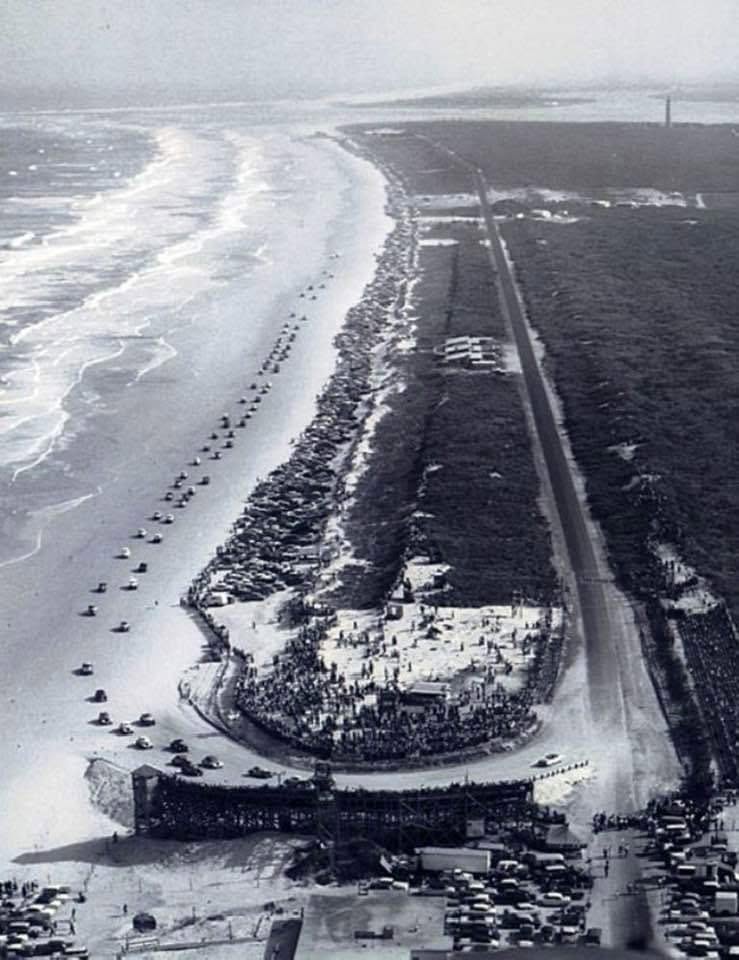
The origin of the Daytona Beach Course can be traced back to the invention of the automobile, itself. Many automakers, such as Ransom E. Olds and Alexander Winston, would travel to the wide, flat beaches in Daytona at the beginning of the 1900s to test their vehicle’s top speeds. By 1913, the automobile had become available to people of all economic backgrounds, and they flocked to Daytona Beach to attempt land-speed records and race each other. Daytona Beach was the premier location for land-speed runs for more than twenty years until stories spread of a man named Ab Jenkins who raced against a train in 1924 in the Bonneville Salt Flats of Utah. Daytona Beach saw a steady decline in tourism as the Bonneville Salt Flats became more popular with land-speed enthusiasts. In 1935, the speed trials were officially moved to the Bonneville Salt Flats and Daytona Beach and its residents were left searching for a new way to attract tourists in the wake of the Great Depression.
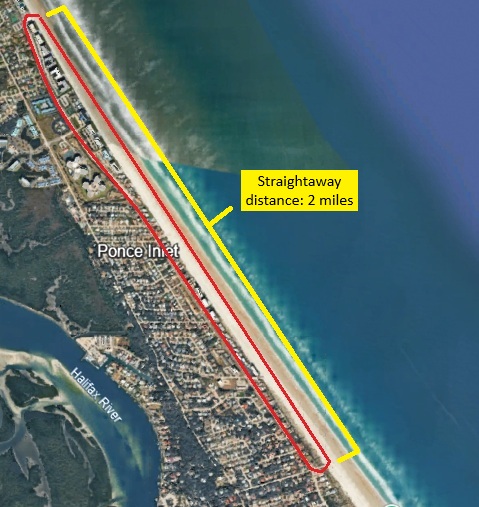
Bill France Sr. was all too familiar with the corruption of promoters during this time. They were notorious for collecting drivers’ entry fees and then leaving town during the race to avoid paying out the winnings. After the land-speed trials left town, the local government leaders in Daytona organized a race on the beach surface in 1936. The event was sponsored by the American Automobile Association (AAA) as a strictly-stock race. Unlike today’s racing, where teams show up with purpose-built race cars towed on tractor trailers, the drivers would have traveled to this event in the very cars they intended to race. Bill France Sr. participated in the race and finished fifth. Many drivers noted that the race was disorganized and chaotic, with the winning driver being pulled out of sandy ruts as many as five times. In 1938, after two perceived failures by the Daytona government officials, France began organizing the Daytona Beach race, increasing from one annual event to two. The United States’ entry into World War II interrupted any further plans that Bill France Sr. may have had for the Daytona Beach race at the time.
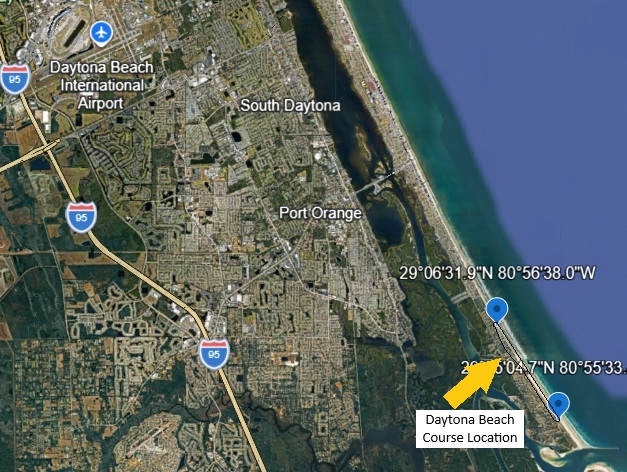
In 1947, only 9 miles North of the Daytona Beach course and just half a mile away from his Daytona Beach repair shop, Bill France Sr. organized a meeting at the Streamline Hotel with promoters, mechanics, racers, and former bootleggers. There, he laid out his plan for a unified, national association for stock car racing- with standardized rules and guaranteed payouts. They coined the term, NASCAR, and planned an eight race schedule on dirt tracks throughout the East Coast, with the first event taking place at the Daytona Beach course.
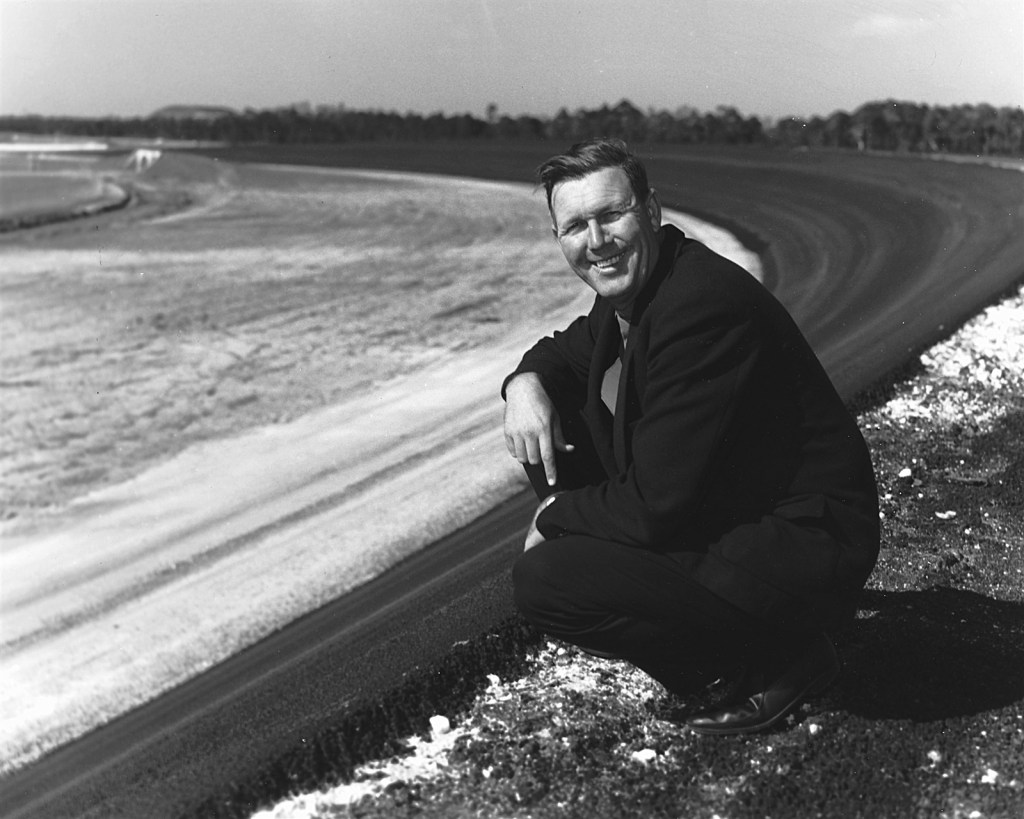
Bill France Sr.’s guiding hand helped NASCAR gain notoriety throughout the South. He realized the days were numbered as NASCAR’s popularity overcrowded the small Daytona Beach community. In 1953, he began planning a high-speed, high-banked track that merged his past with high-banked board tracks as a kid and the land-speed attempts of Daytona Beach’s past. In 1959, the inaugural Daytona 500 took place at the new Daytona International Speedway. To this day, Daytona continues to be the World Center of Racing.
 Wide Open Sports
Leave a comment