by Motorsports Writer Preston Harrelson
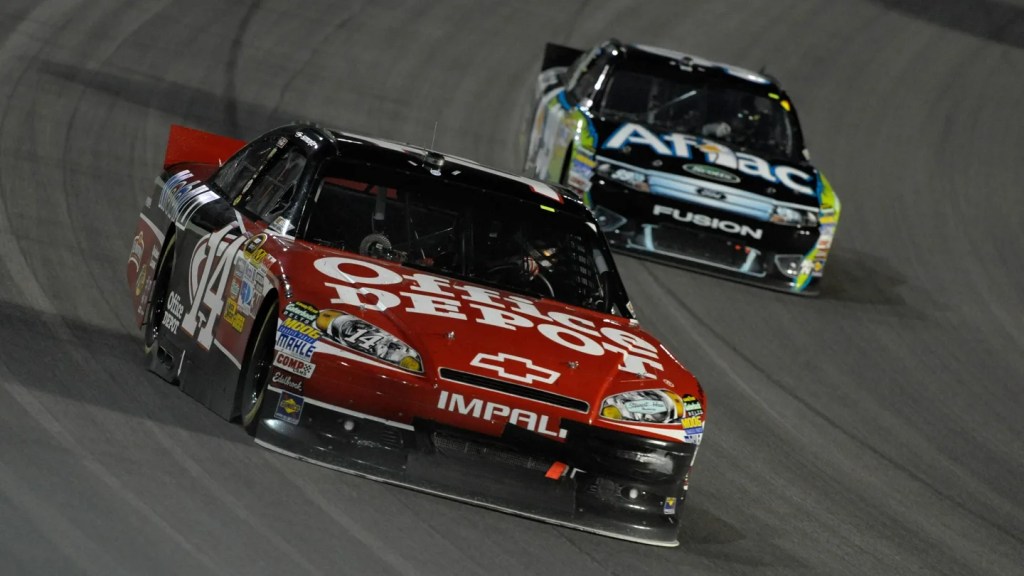
Three races remain in the 2026 NASCAR season and 56 points separate the top seven drivers. Christopher Bell trails points leader Kyle Larson by 6 points. Chase Briscoe is third in points, 24 back. Denny Hamlin is 31 back in 4th. Penske teammates Ryan Blaney and Joey Logano sit 5th and 6th in points respectively. Ryan Blaney is 40 points out, Joey Logano is 44 points out, and Tyler Reddick is in 7th, 56 points out. This has been a NASCAR postseason reminiscent of 2011, when Tony Stewart fought back from an average start to the season to rattle off five wins in the last ten races and claim the Championship after a tie with Carl Edwards, who would place second due to a win tiebreaker. Before Sunday’s race at Phoenix, many thought Kyle Larson was in the proverbial driver’s seat for this year’s Championship- but after struggles with handling most of the day and an unfortunate blown tire that would lead to a 34th place finish, every driver surely feels they now have a shot.
It feels safe to say that the Chase is an improvement over the NASCAR “Playoffs” format that was used from 2014 to 2025. The Playoff format expanded the field from 12 to 16 drivers and the bottom four drivers were eliminated after every third playoff race- culminating in a final winner-take-all Championship race between the four remaining drivers. While some aspects of the playoff era remain, like the playoff field of 16 drivers, its defining “win-and-you’re-in” elimination format has been replaced by a more straight-forward points reset that rewards season-long consistency and winning. No driver has benefitted more from the format change than Tyler Reddick, who shot out to an early Regular Season points lead this season thanks to wins in five of the first ten races, including the 2026 Daytona 500. After fading at the end of the regular season, Reddick has pulled back to within 56 points of points leader Kyle Larson, thanks to his win this past weekend at Phoenix.
Most of the general public is unaware of the exciting points battle currently happening in NASCAR because less and less people are watching the races. Per Daily Downforce and Jayski, Charlotte’s Fall race saw a 17% drop in viewership from last year’s Roval race. Las Vegas viewership dropped 9% from last year. Kansas dropped 2% from last year. Bristol dropped 5% from last year. This is all part of a growing trend that NASCAR leadership must recognize. The NASCAR Chase begins on the same day as week one of the NFL regular season and week two of the college football season. Because of this conflict, NASCAR is almost always relegated to NBC’s secondary network, USA, which often isn’t included in basic cable packages- meaning less people get access to the race. There are two ways to combat this, but both would require radical schedule changes.
The first option would be something NASCAR previously explored during the 2020 COVID pandemic and they seem more willing to explore. In order to make up for lost time from March and April, NASCAR ran midweek races at Darlington, Martinsville, Bristol, and Kansas. Due to the circumstances, 2020’s viewership was a mixed bag, but in 2026, midweek races could be advertised as a primetime event, much like Monday Night Football and Thursday Night Football have become. NASCAR Chief Operating Officer Ben Kennedy has recently stated that NASCAR is looking into more midweek races as it negotiates its next media deal.
The second, less likely option would see NASCAR shortening its season, much like INDYCAR. The current NASCAR schedule is 36 races- the first 26 making up the regular season, and the last 10 making up the Chase. If the regular season were shorted to, say, 16 races, it would make the emphasis on each race more closely resemble a typical week in the NFL. Each regular season race would have even more of the “chase implications” that the NASCAR media is fond of, and the season would finish in time for the networks to air football games, which do not seem to be losing popularity any time soon.


Leave a Reply